
Reference-Code Report Automation for a Collections Team
Collectors enter a single reference code and automation pulls the data from every dashboard, generating the polished PDF the team used to assemble by hand over hours.
- Duration
- 7 weeks
- Services
- Workflow AutomationAPI IntegrationCustom Software
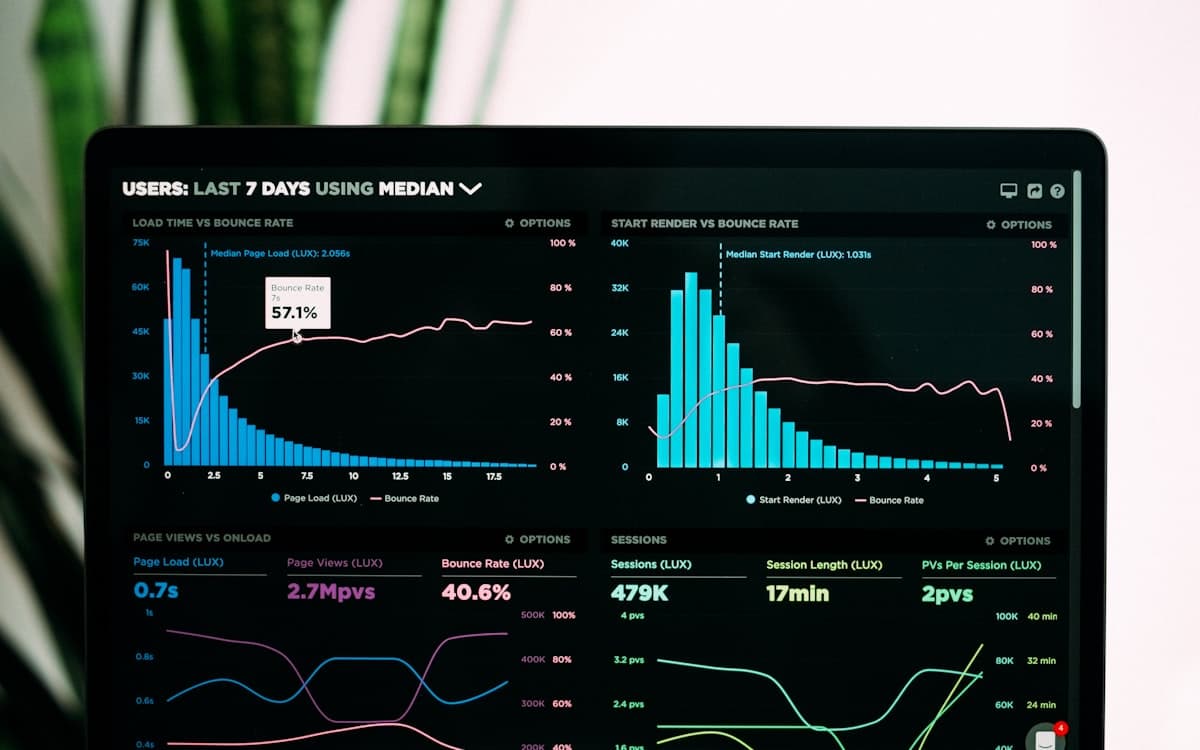
A collections team produced a formal case report for each account before escalation. Assembling one meant logging into several dashboards, copying balances, payment history, and contact logs into a template, formatting it, and exporting a PDF. That was an hour or more per case, and every report looked slightly different depending on who made it.
Challenges
- Data for one report lived across several disconnected dashboards.
- Manual copy-paste into a template took an hour or more per case.
- Reports were inconsistent, depending on who assembled them.
- The bottleneck capped how many cases the team could escalate per day.
Objectives
- Generate a complete report from a single reference code.
- Pull the figures automatically from every source dashboard.
- Produce a consistent, branded PDF every time.
- Free collectors from assembly so they can work more cases.
We built a service where a collector enters a reference code and the automation fetches that account's data from each dashboard's API, assembles it into a standardized template, and renders a branded PDF in seconds. Missing or conflicting data is flagged before generation rather than producing a silently wrong report, and every generated report is logged for audit.
Implementation
- 01Template & source mapping
Standardized the report template with the team and mapped every field to its source dashboard and API.
- 02Data-fetch integration
Built connectors to each dashboard with retries and validation, keyed off the reference code.
- 03Assembly & PDF rendering
A generation service that merges the fetched data into the template and renders a consistent, branded PDF.
- 04Validation & rollout
Added pre-generation checks for missing or conflicting data, then rolled out with an audit log of every report.
Architecture overview
- Next.js internal tool taking the reference code
- Node.js service fetching from each dashboard API with retries
- Server-side PDF rendering from a standardized template
- PostgreSQL audit log of every generated report
- Pre-generation validation flagging missing or conflicting data
What changed for the business.
- Report assembly went from an hour or more to seconds.
- Every report is consistent and on-brand, regardless of who runs it.
- Collectors escalate far more cases per day without the manual work.
- A full audit trail records what was generated and when.
Lessons learned
- A single key, the reference code, is what makes multi-source assembly feel effortless to the user.
- Validating before rendering prevents the automation from producing a polished but wrong report.
- Standardizing the template first is what let the automation stay simple.
Facing a similar problem?
Tell us about your operation and we'll show you what the same delivery method would look like for you.